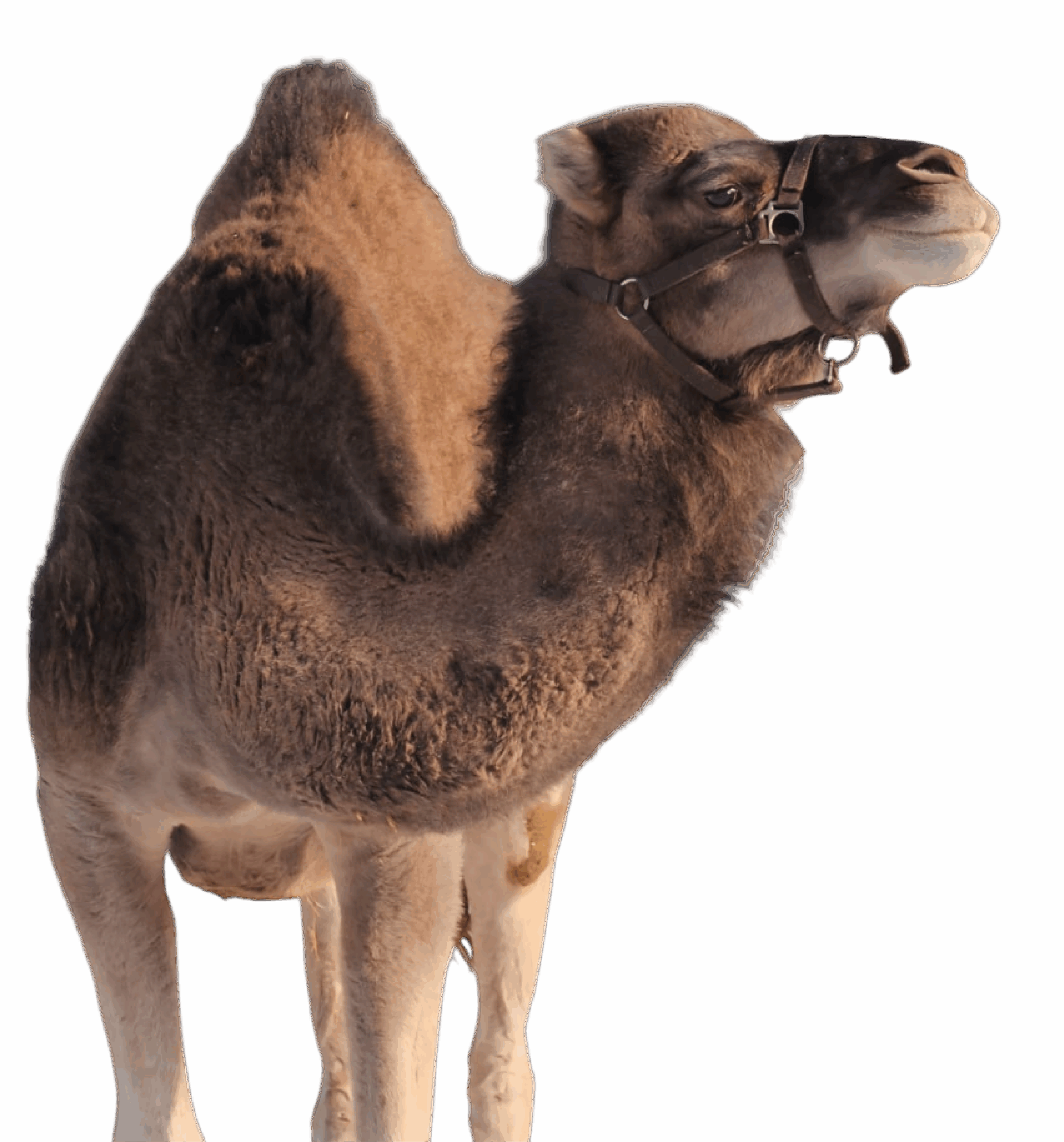
The farm project Dromazère
How was it born ?
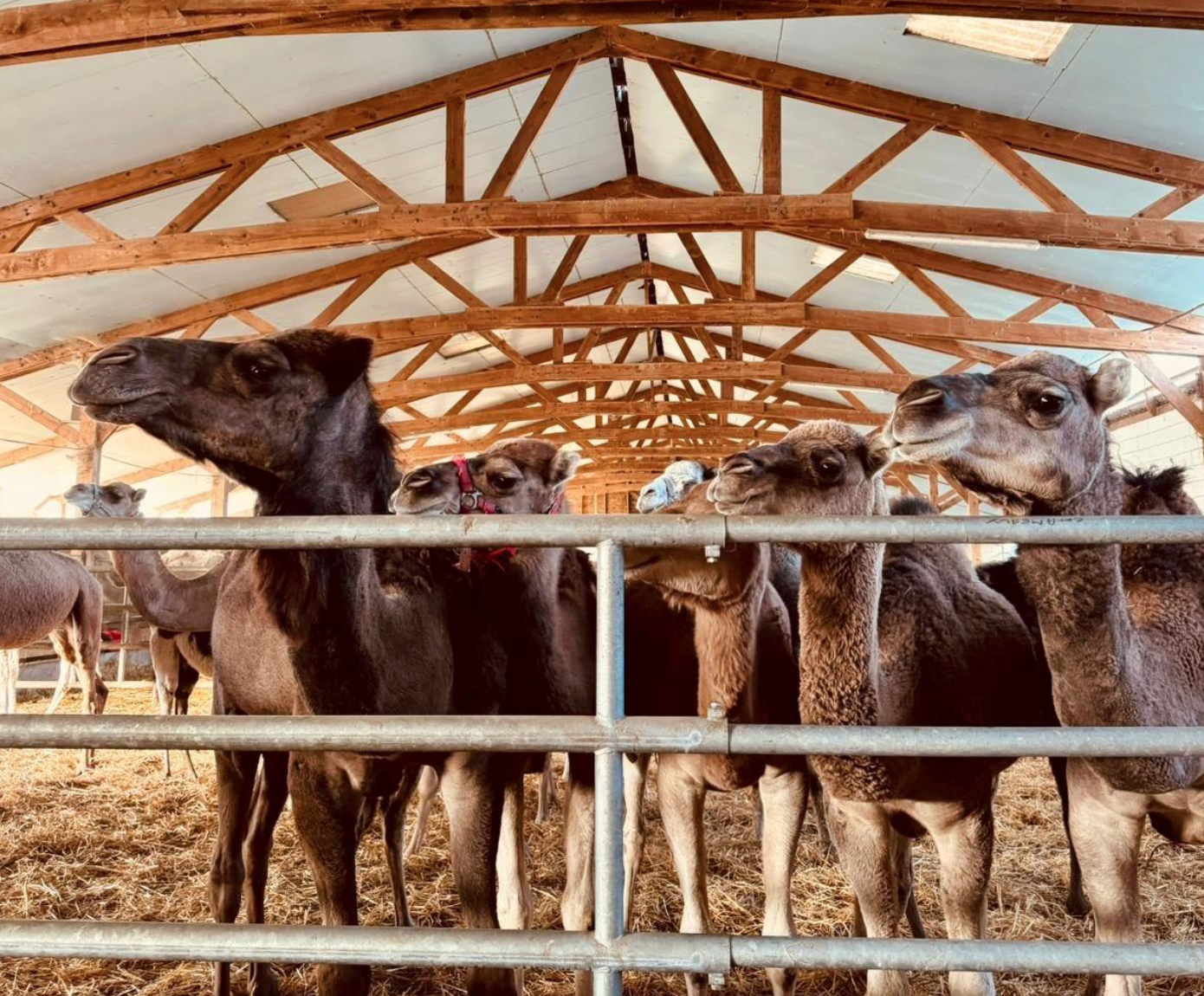
Introducing the Dromazère Project
Founded in 2019 by four childhood friends, our project was born during a captivating journey to Morocco.There, we were welcomed by nomads who introduced us to the mystery and beauty of dromedaries—fascinating creatures that embody the majesty of the desert. Since that trip, our love for nature and passion for unique challenges inspired us to make our dream a reality: to create a sanctuary for these incredible animals in the heart of Margeride, in Lozère.
After much reflection, numerous meetings with specialized veterinarians, and extensive research on dromedaries, we made the decision in November 2019 to begin by importing around fifteen dromedaries into the heart of the Margeride region.
Inspired by our Moroccan experience, we established Dromazère, a breeding farm where every dromedary is cared for and respected!
Is the Margeride Plateau suitable for dromedaries?
Dromedaries are perfectly suited to the climate of the Haute Lozère, with its wide open spaces and sometimes extreme temperatures.
Their resilience, ability to travel long distances with little water, and overall versatility make them ideal partners for our project.
The installation of our herd was carried out in close collaboration with specialized veterinarians to ensure their proper adaptation to our farm.
The Big Camelid Family
Originally from North America around 40 million years ago, camelids later migrated in two directions:
To South America via the Isthmus of Panama, where the small camelids originated, and to Asia via the Bering Strait, where the large camelids were born. Fossils of ancestors of Camelus have been discovered in Asia, Africa, Europe, and the High Arctic, dating back 6.5 to 7.5 million years!
Camelus
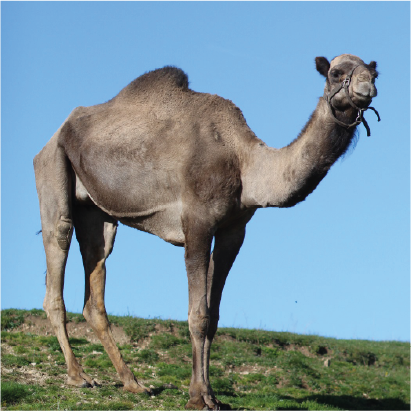
C. Dromedarius
(Dromadaire)
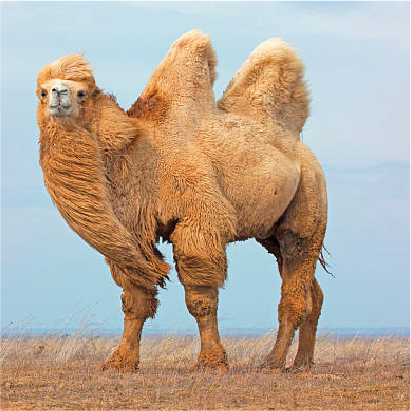
C. Bactrianus
(Chameau de Bactriane)
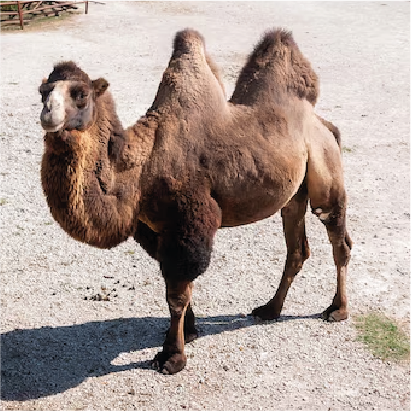
C. b. Ferus
(Chameau de Bactriane sauvage)
Lama
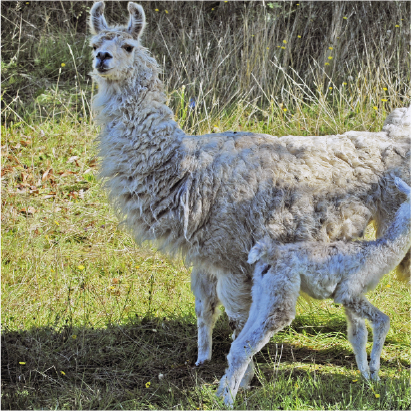
L. Lama
(Lama)

L. Guanacoe
(Guanaco)
Vicugna
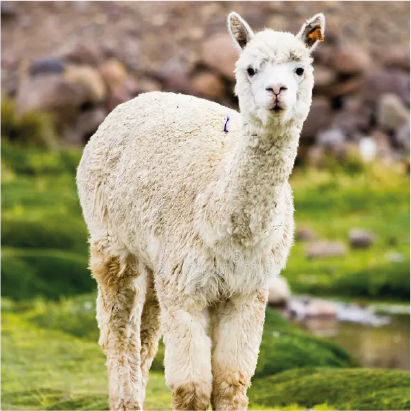
L. Pacos
(Alpaga)
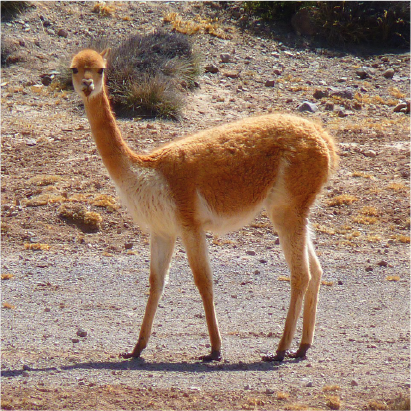
V. Vicugna
(Vigogne)
Is the Margeride Plateau suitable for dromedaries?
Dromedaries are perfectly suited to the climate of the Haute Lozère, with its wide open spaces and sometimes extreme temperatures.
Their resilience, ability to travel long distances with little water, and overall versatility make them ideal partners for our project.
The installation of our herd was carried out in close collaboration with specialized veterinarians to ensure their proper adaptation to our farm.
« Every dromedary is a camel, but not every camel is a dromedary. »
The Bactrian camel, also known as the two-humped camel (Camelus bactrianus), is the one generally referred to when we speak of a « camel. » It is mainly found in Asia and has thicker wool, adapted to cold deserts. The Arabian camel, with a single hump (Camelus dromedarius), is what we call a dromedary. It is found in hot deserts (Africa, the Middle East, and Australia). The Bactrian camel, or two-humped camel, is an animal of cold deserts. It lives in the desert regions of Central Asia, ranging from Anatolia (Turkey) to Manchuria (China). It does not exist in Africa or in the hot deserts of the Near and Middle East.
DID YOU KNOW ?
The European dromedary does exist. The Canary Islands, off the coast of Morocco, are volcanic islands that belong to Spain and are therefore part of the European Union. Since the 15th century, around 2,000 dromedaries have lived there, originally brought from the nearby Western Sahara. The first dromedaries arrived in the Canaries in 1405, introduced by a French landowner from Normandy. Having been selectively bred on-site ever since, the Canarian dromedaries have evolved into a distinct local breed known as the Majorero.With the participation of :